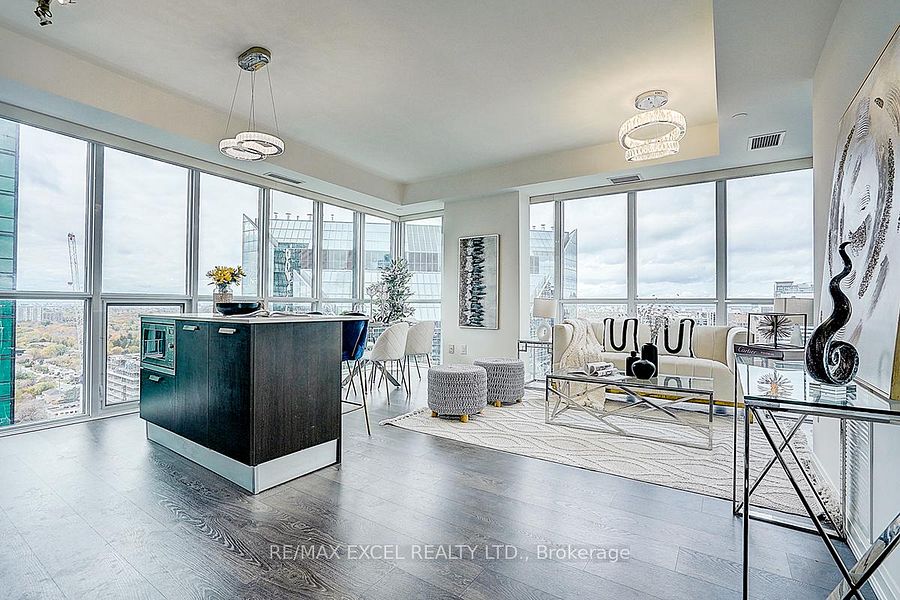
Condo vs Townhouse in York Region 2026: Which Should You Buy?
Condos in York Region average about $588K while townhouses run over $900K — but price is only half the story. A data-driven comparison of costs, negotiating leverage, and lifestyle fit for buyers in Richmond Hill, Markham, Vaughan, Aurora and Newmarket.
Ali Arbabi
Sales Representative · RE/MAX Hallmark
If you're buying in York Region this year, there's a good chance your search comes down to two options: a condo apartment or a townhouse. It's the most common crossroads I see with first-time buyers in Richmond Hill, Markham, and Vaughan — and in 2026, the math between the two has never been more interesting.
Here's the short version: condos are currently the most negotiable segment in the entire GTA, while townhouses hold their value better but leave you less room to bargain. The right answer depends on your budget, your timeline, and how long you plan to stay. Let's break it down with real June 2026 numbers.
The Price Gap in York Region Right Now
Based on TRREB's June 2026 data:
- Condo apartments in York Region averaged about $587,584 across 241 sales, with one-bedroom units in Markham and Richmond Hill sitting around $500,000 — and some Vaughan units dipping near $450,000.
- Freehold townhouses across the GTA averaged about $912,000, down 5.5% year-over-year. In York Region's core communities, updated freehold towns commonly trade above that mark.
- Condo townhouses — the hybrid option — typically land in between, offering more space than an apartment at a lower entry point than freehold.
That's a gap of roughly $300,000+ between an average condo and an average townhouse. At today's rates, every $100,000 of mortgage costs you roughly $550 per month — so the condo-to-townhouse jump can mean $1,500–$1,800 more per month in carrying costs before maintenance fees and property taxes enter the picture.
The Case for Buying a Condo in 2026: Maximum Leverage
Condos were the softest segment in TRREB's June report, with GTA prices down about 9% year-over-year and units taking around 38 days to sell — noticeably longer than the broader market. TRREB's own condo market report confirms buyers continue to hold substantial choice and negotiating power in this segment.
What that leverage looks like in practice:
- Price negotiation: condo sellers face more competing listings than any other segment, which means realistic room below asking on many units.
- Conditions: financing and inspection conditions — nearly extinct during the 2021–22 frenzy — are routinely accepted again.
- Closing flexibility: motivated sellers will work around your timeline.
- Selection: more active listings means you can compare buildings, layouts, and fee structures instead of settling.
Interestingly, condo sales volume across the GTA jumped over 14% year-over-year in June even as prices softened — a classic signal that value-focused buyers and investors have started moving in. Windows of maximum leverage rarely announce their closing date; they just close.
The Case for Buying a Townhouse: Land, Space, and Staying Power
Townhouses are the natural fit if you're planning for a growing family, working from home, or want to skip a move in five years. Here's what the townhouse offers that a condo can't:
- Land ownership (freehold): with a freehold townhouse, you own the structure and the lot. Historically in York Region, land-based housing has held value better through market cycles — June's numbers reflect that, with townhouse prices down just 5.5% year-over-year versus roughly 9% for condos.
- No (or lower) monthly fees: freehold towns carry no maintenance fee. Even condo townhouses typically charge less than apartment-style buildings.
- Space to grow: three bedrooms, a garage, and a backyard mean you can buy once and stay through life changes — a real advantage when every move costs tens of thousands in land transfer tax, commissions, and moving costs.
- Tighter supply: desirable family-sized towns in good school catchments across Richmond Hill, Markham, and Aurora remain in shorter supply, which supports prices but also means less negotiating room for you as a buyer.
Freehold Townhouse vs Condo Townhouse: Know the Difference
This is where many first-time buyers get tripped up. A freehold townhouse means you own everything — house, lot, driveway — and pay no monthly fee (though you're responsible for all your own maintenance). A condo townhouse looks similar from the curb, but the land and common elements belong to a condo corporation, and you pay monthly fees that typically cover exterior maintenance, snow removal, and landscaping.
Neither is automatically better. A condo townhouse gets you into a town-style home for less money with less maintenance responsibility — often an ideal middle step. But always review the corporation's status certificate before waiving conditions: reserve fund health and upcoming special assessments can turn a bargain into a burden. This is exactly the kind of due diligence strong representation handles for you.
What About Monthly Carrying Costs?
Purchase price is only the entry ticket. Compare the full monthly picture:
- Condo apartment: lower mortgage, but add maintenance fees — often $400–$700+ per month depending on the building's age and amenities. Fees also tend to rise over time.
- Condo townhouse: mid-range mortgage, moderate fees.
- Freehold townhouse: highest mortgage, no fees — but budget 1–2% of the home's value annually for your own maintenance and repairs.
With the Bank of Canada holding its rate at 2.25% for a fifth consecutive decision (prime at 4.45%), carrying costs are stable and predictable right now — which makes this an unusually good moment to run these numbers with confidence. Get pre-approved, and a rate hold protects you for 90–120 days while you shop.
Community by Community: Where Each Option Shines
Richmond Hill: June saw 230 sales at an average of $1.24 million overall, with homes selling at about 97% of list in roughly 31 days. Condos along the Yonge corridor offer one-bedroom entry points near $500K, while freehold towns in communities near top-ranked schools remain in steady demand from families.
Markham: nearly 400 sales in June averaging $1.24 million. Downtown Markham's condo supply gives first-time buyers real choice, while Cornell and Unionville towns attract move-up families.
Vaughan: York Region's busiest market in June with 524 sales averaging $1.33 million. The VMC condo cluster has some of the region's most negotiable units — some near $450K — with subway access to boot.
Aurora & Newmarket: fewer condos, more townhouse stock, and generally better value per square foot than the southern part of the region — a smart target if space matters more to you than a short commute.
The Investor Angle
For investors, the condo segment's 9% price decline paired with surging sales volume is the setup value buyers wait for. Rental demand along York Region's transit corridors remains solid, and lower purchase prices improve cap rates. If you're running the numbers on a rental, my complete guide to investing in Canadian real estate covers financing, cash flow analysis, and exit planning in detail.
So Which Should You Buy?
A simple framework I use with clients:
- Choose a condo if: your budget is under ~$650K, you want maximum negotiating leverage in 2026, you value location and low maintenance, or you're buying your first property as a stepping stone.
- Choose a townhouse if: you can carry the higher monthly cost, you're planning 7+ years in the home, you need bedrooms and outdoor space, or long-term land value matters most to you.
- Consider a condo townhouse if: you're caught between the two — it's often the best value-per-square-foot play in York Region right now.
One more timing note: as I covered in my June 2026 market update, sales are climbing while listings shrink, and TRREB expects a more competitive second half of the year. The condo leverage that exists today is a market condition, not a permanent feature.
The Bottom Line
There's no universally right answer — but there is a right answer for your budget, timeline, and goals. The difference between a good purchase and a great one in this market is preparation: knowing the real numbers for the specific buildings and streets you're considering, and negotiating from data rather than emotion.
Ali Arbabi · RE/MAX Hallmark Realty
Buying your first home in the GTA?
From FHSA strategy to your first offer night, I guide first-time buyers through every step with real numbers — not guesswork. Toronto, North York, Richmond Hill, Aurora, and Newmarket.
Start Your Buying PlanSources: TRREB Market Watch, June 2026; TRREB Condo Market Report, Q1 2026; Bank of Canada, June 10, 2026. Figures reflect TRREB MLS® System reporting. Monthly cost figures are illustrative estimates — speak with a mortgage professional for personalized numbers.
FAQ
Frequently Asked Questions
It depends on budget and timeline. Condos currently offer the most negotiating leverage in the GTA — York Region units averaged about $587,584 in June 2026 with prices down roughly 9% year-over-year. Townhouses cost significantly more (GTA freehold average around $912,000) but hold value better and suit buyers planning to stay 7+ years. Condo townhouses offer a middle path on both price and space.
One-bedroom condos in Markham and Richmond Hill are priced around $500,000 in 2026, with some Vaughan units near $450,000. Across York Region, condo apartments averaged $587,584 in June 2026 according to TRREB data — well below the region's overall average home price.
With a freehold townhouse you own the home and the land with no monthly maintenance fee, but you handle all upkeep yourself. A condo townhouse belongs to a condo corporation — you pay monthly fees covering items like exterior maintenance and snow removal. Condo townhouses cost less to buy; freeholds offer full ownership and no fees. Always review the status certificate before purchasing any condo property.
In the current cycle, townhouses have held value better: GTA freehold townhouse prices were down 5.5% year-over-year in June 2026, versus roughly 9% for condo apartments. However, the condo segment's larger price decline is also what creates today's buying opportunity, with condo sales volume up over 14% year-over-year as value buyers return.
Maintenance fees — often $400 to $700+ monthly in apartment-style buildings — cover building upkeep, amenities, and sometimes utilities, replacing costs freehold owners pay out of pocket. They're worth it when the corporation is well-managed with a healthy reserve fund. Before buying, always have the status certificate reviewed to check reserve fund health and any upcoming special assessments.
Work With Ali
Ready to Make Your Move?
Whether buying, selling, or investing in the GTA — Ali is here to guide you every step of the way.